Teach AI to imagine
how its world works.
Simulusion trains world models: AI that watches a world, learns its rules and imagines what happens next.
What is a world model? A simulator the AI builds for itself.
Most AI learns by trial and error in the real world: slow, costly and sometimes unsafe. A world model watches instead. It learns the rules well enough to imagine what happens next, so an agent can practise in its head.
1 · Observe
It watches the world
Real frames go in and are squeezed into a small internal state.
2 · Imagine
It dreams ahead
That state rolls forward on its own. No real world needed.
- Return 75 → 49360k steps
3 · Act
It learns from the dream
Rewards it imagines teach it to act, then it acts for real.
Every model runs the same loop. Swap the model, keep the loop.
- 1 · WORLD
Pick a world
env_backend="dmc" - 2 · MODEL
Pick a model
create_model("dreamer")▾ - 3 · TRAIN
Train it
agent.train() - 4 · IMAGINE
Let it imagine
make_stepper(agent)
swap the model, keep the loop
Twelve models, four ways to imagine. Each family dreams in its own way.
Latent state
Imagine in a hidden state
Squeeze the world into a small hidden state, then imagine forward from there.
dreamer · dreamer-v2 · planet · modular-rssm
Discrete tokens
Imagine like a sentence
Turn each frame into a handful of tokens and predict the next ones, like words.
iris · genie · genie-small · genie-large
Diffusion
Imagine by denoising
Draw every next frame out of noise, one denoising step at a time.
diamond · dit
Representation
Imagine what things mean
Predict what hidden parts of a picture mean, not their exact pixels.
jepa
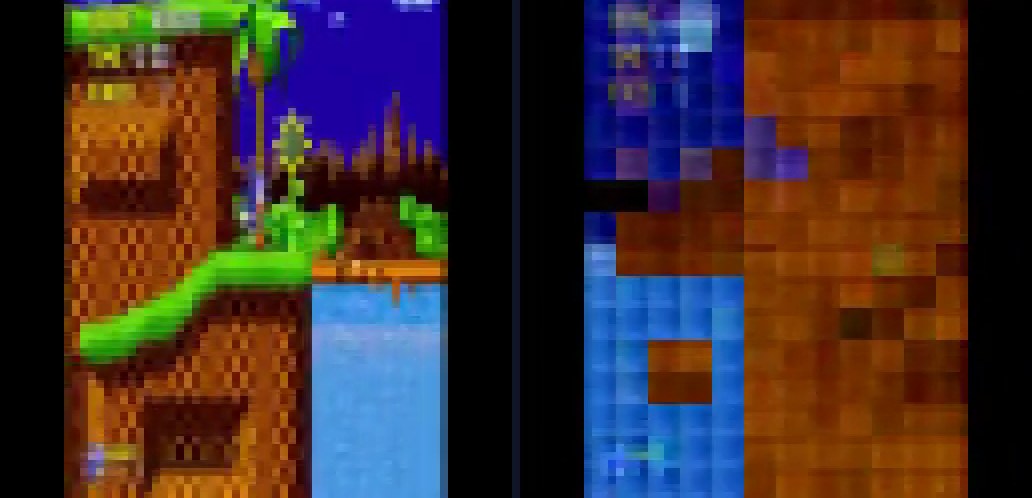
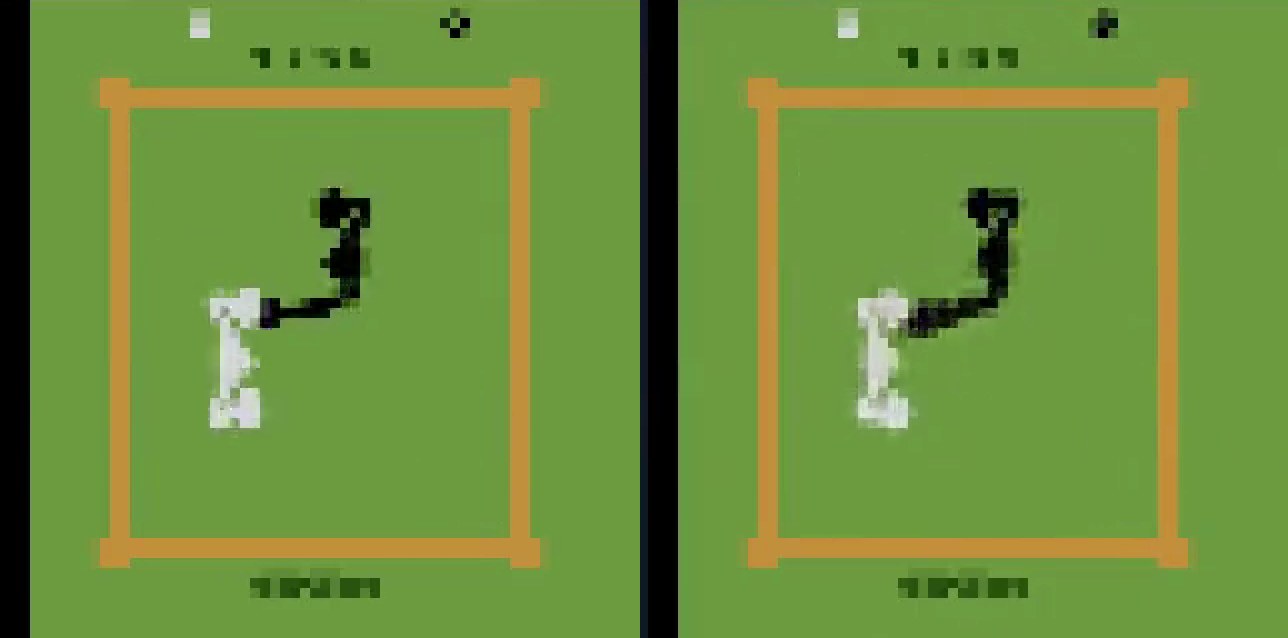
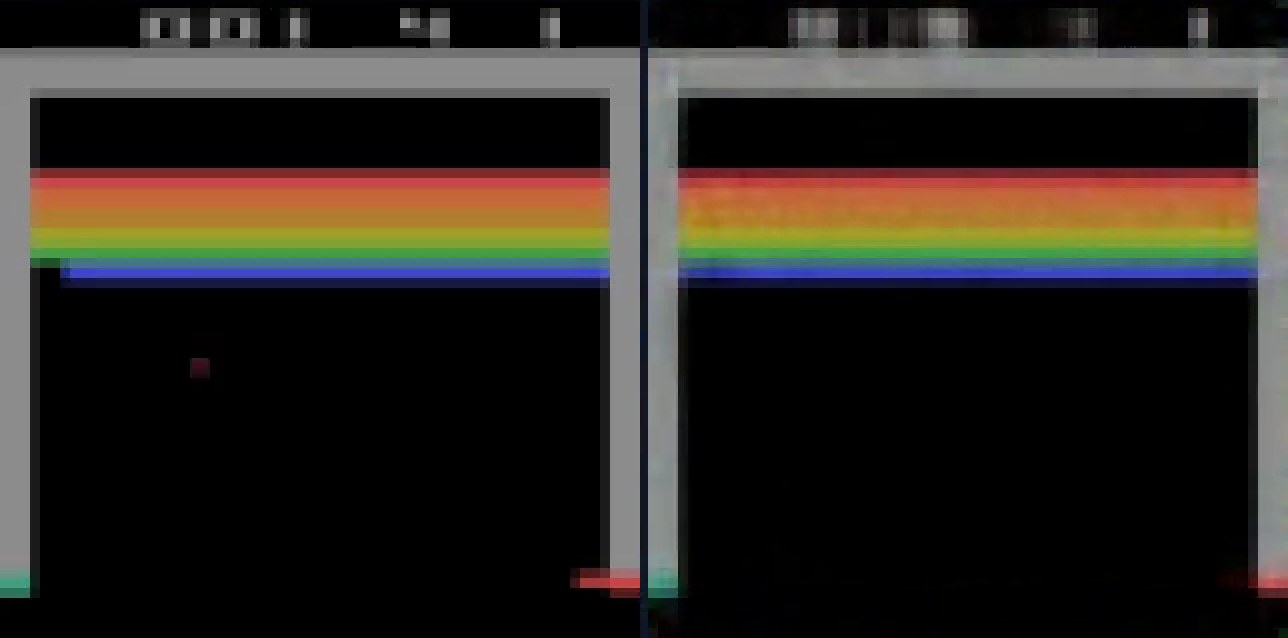
Watch it imagine. Left is real. Right is dreamed.
After five real frames the model stops looking and imagines the rest from its own actions. The halves agree, then drift. Where they differ is exactly where the model is wrong, and we show that too.
- Trained on
- One 4 GB laptop GPU
- Recordings
- Nine models, nine clips
- Reproduce
- python demos/run_all.py
Same start, different finish. Three models, one task, one starting score.
Evaluation return on DeepMind Control cartpole swing-up; higher is better. Dreamer and DreamerV2 trained for 60k environment steps, PlaNet for 75 minutes.
- Dreamer60k steps493
- PlaNet75 minutes435
- DreamerV260k steps250
Up and running in minutes. Write a few lines, run one command.
import simulusion as simagent = sim.create_model( "dreamer", env="Pendulum-v1", env_backend="gym", total_steps=5_000,)agent.train()$ pip install "simulusion[gym]"$ simulusion models list$ python train.pyWhat’s new.
Full changelog- Oct 2026Release
Simulusion 1.0.0
Twelve world models behind one PyTorch API, installable with pip.
- Oct 2026Demo
IRIS plays a full round of Boxing
Its policy, imagined rollout and discrete tokens, from one training run.
- Oct 2026Demo
Dreamer imagines cartpole
Return rose from about 75 to 493 in 60k steps on a 4 GB laptop GPU.
Train your first world model today.
Open source, MIT licensed, and runs on a laptop GPU.
pip install simulusion